

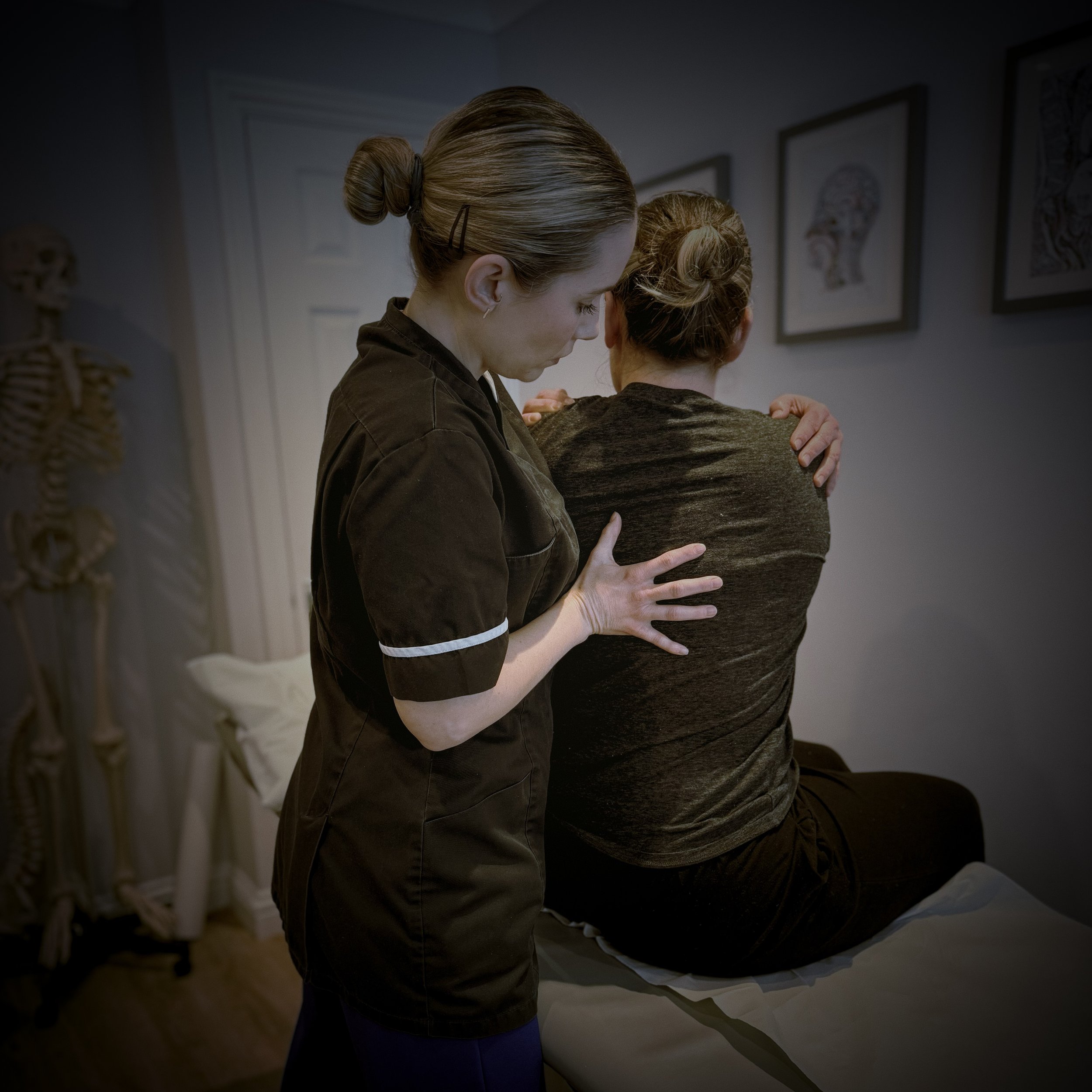
What is Osteopathy…
To an Osteopath, for your body to work well, it’s structure must also work well. Osteopaths work to restore your body to a state of balance, where possible, without the use of drugs or surgery. Osteopathic treatment does not target symptoms only, but treats the parts of the body that have caused the symptoms. Osteopaths use physical manipulation, stretching, massage, and cranial techniques to increase the mobility of joints, to relieve muscle tension, to enhance the blood and nerve supply to tissues, and to facilitate your body’s own healing mechanisms. They may also provide advice on posture and exercise to aid recovery, promote health and prevent symptoms from recurring.
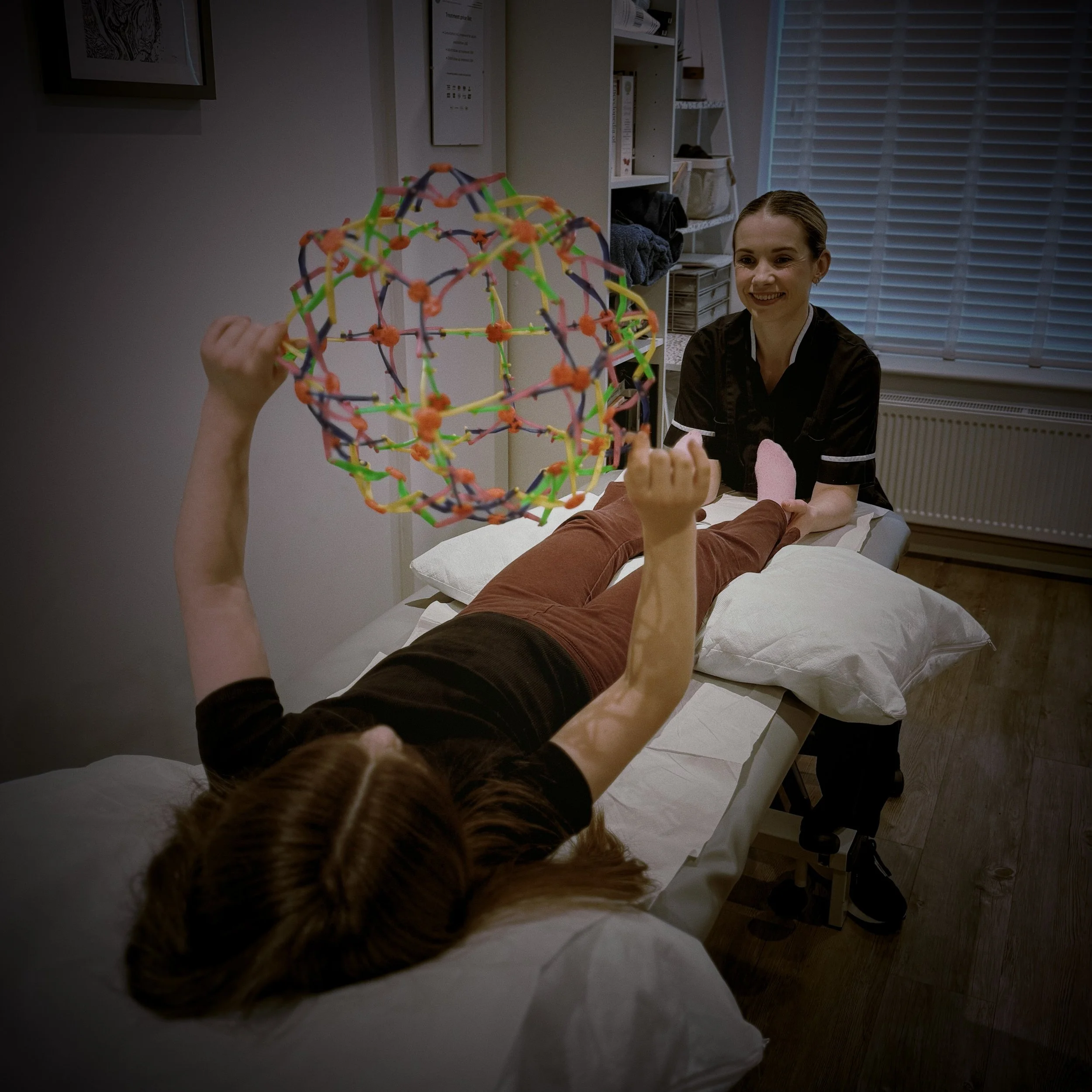
What is Cranial Osteopathy…
Cranial Osteopathy is a gentle, refined form of Osteopathic treatment designed to release tension and support the body’s natural ability to rebalance and heal. Using subtle hands-on techniques, it can help ease stresses and strains throughout the whole body, including the head, neck and spine. While it’s often associated with babies and children, Cranial Osteopathy can be beneficial for all ages, from birth through to later life.
During treatment, a Cranial Osteopath uses a highly developed sense of touch to assess very small, rhythmical movements within body tissues. This can help identify areas of restriction and imbalance linked to physical strain, stress, injury or fatigue. By encouraging the body to relax and move more freely, Cranial Osteopathy may help with headaches, general aches and pains, sports injuries, stress-related tension, and overall wellbeing.
What do Osteopaths treat…
Patients seek treatment for a wide variety of conditions, including but not confined to:
Changes to posture due to work, pregnancy, or habit.
Generalised aches and pains.
Joint pains including hip and knee pain, general, acute & chronic backache.
Neck pain.
Headaches.
Shoulder and elbow pain.
Digestion problems
Sciatica.
Muscle spasms.
Neuralgia.
Fibromyalgia
Inability to relax.
Rheumatic pain
Minor sports injuries and tensions.